
Basements, Tanking and Below‑Ground Structures: A Structural Warranty Perspective
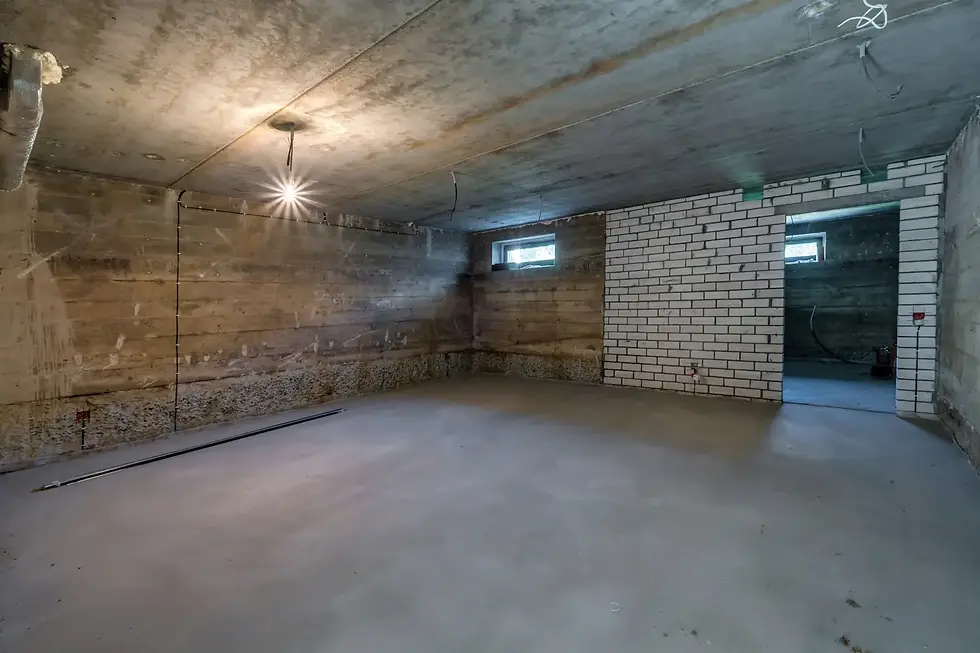
Basements, tanking and below‑ground structures present a distinct set of considerations when assessed from a structural warranty perspective. Although basements and tanking are now a common feature of residential and mixed‑use developments and also feature in many existing structures being converted for residential purposes, they continue to account for a disproportionately high number of long‑term structural warranty claims, particularly with water ingress through the building envelope.
From an insurance standpoint, claims are often water ingress related but this is rarely due to a single defect or material failure. Instead, basement claims typically arise where groundwater risk, design responsibility, system co-ordination or long‑term maintenance considerations are not fully addressed at an early stage.
As a result, structural warranty insurers approach basements and tanking requirements with a particular emphasis on predictability of performance over time, rather than short‑term compliance or individual product selection.
Why basements and tanking attract particular insurer scrutiny
Below‑ground construction differs fundamentally from above‑ground building because it must permanently resist external forces rather than dispel them. Groundwater, surface water, hydrostatic pressure and soil movement all act continuously on below‑ground elements throughout the life of the building.
From a structural warranty perspective, insurers are concerned not only with whether water ingress may occur, but with the consequences of failure if it does, and the extent to which that risk has been managed through a combination of design clarity, co-ordinated strategy and construction quality.
Basement and tanking-related water ingress claims when they occur are typically disruptive, costly and difficult to remediate, particularly once a building is occupied. This means that, from an insurer’s perspective, basement risk is assessed over time rather than judged only on the condition of the works at completion.
Groundwater risk and uncertainty
A recurring feature of basement and tanking‑related claims is uncertainty surrounding groundwater behaviour. Measured groundwater levels at the time of site investigation do not necessarily represent worst‑case or long‑term conditions.
Seasonal variation, changes to surrounding land drainage, future development, and alterations to ground permeability can all influence groundwater levels over time. From a structural warranty perspective, insurers therefore consider not only observed conditions, but also the reliability and limitations of the available information.
The key question is whether the basement and tanking design reasonably anticipates a range of foreseeable conditions, rather than assuming that ground behaviour will remain static throughout the life of the building.
Waterproofing strategy and design responsibility
Waterproofing design is one of the most critical aspects of basement construction from a structural warranty standpoint. Insurers focus less on individual materials or systems and more on whether there is a clear, coherent and co-ordinated waterproofing strategy for the below‑ground structure as a whole.
Where responsibility for waterproofing design is fragmented - for example between designers, specialist contractors and product suppliers - the risk of incompatibility, incomplete detailing or untested interfaces increases. These gaps in responsibility are a common source of issues, leading to warranty claims.
From a warranty perspective, insurer confidence is strengthened where the waterproofing approach has been properly considered, roles and responsibilities are clearly defined, and the overall strategy reflects the site conditions and intended use of the below‑ground space.
And we will always look for a 10-year transferrable Insurance Backed Guarantee for workmanship and materials, for all below ground areas used for habitation, utilising a dual waterproofing system, to ensure that this highly specialised, high-risk area of construction is adequately covered.
Interfaces and transitions
Basement and tanking failures rarely originate in uniform areas of wall or slab. Instead, water ingress most commonly occurs at interfaces and transitions, including:
wall‑to‑slab junctions
changes in construction type
service penetrations
lift pits and plant rooms
interfaces between below‑ground and above‑ground elements
incorrectly installed or damaged membranes
These locations represent points of elevated risk because they are particularly sensitive to design ambiguity, workmanship variation and late‑stage changes. As a structural warranty provider, we look closely at how different elements interact, both structurally and in terms of waterproofing continuity, which is central to long‑term performance over the policy period.
Workmanship, sequencing and verification
As with other high‑risk elements of construction, workmanship and sequencing play a critical role in the long‑term effectiveness of basement and tanking waterproofing systems. From an insurer’s perspective, risk may arise where:
substrates are not prepared or protected as intended
waterproofing elements are damaged during subsequent works
temporary works compromise permanent details
materials or systems not being correctly placed in line with manufacturer instructions
inspection, testing or verification records are incomplete
training & experience of construction operatives is lacking
Once basement waterproofing or tanking is concealed, defects can be difficult to identify and costly to rectify. A structural warranty insurer is therefore likely to place weight on whether the construction process itself supports consistent delivery of the design intent, supported by appropriate inspection and verification.
Maintenance, access and long‑term operability
Structural warranty claims may also arise where waterproofing performance relies, explicitly or implicitly, on future maintenance that has not been realistically considered. From a warranty perspective, insurers assess whether:
access for inspection and maintenance is achievable
future intervention would be proportionate and practical
reliance on active or combined systems aligns with the anticipated ownership, use and management of the building
A warranty‑led view of basements and tanking
From a structural warranty perspective, basements, tanking and below‑ground structures tend to fail not because a single element has been omitted, but because risk has not been considered on a wider basis. In practice, insurer concerns usually centre on whether basement and tanking design and construction reflect a realistic understanding of site conditions, groundwater behaviour and how the building is likely to be used and maintained over time.
Where responsibility for waterproofing strategy is unclear, interfaces are inadequately thought through, or construction sequencing undermines the design intent, long‑term performance becomes less predictable.
For this reason, warranty assessments focus on how clearly risks have been identified, how coherently they have been managed across design and construction, and whether the finished structure is likely to perform reliably beyond completion, not just at handover.
Approaching basements and tanking requirements with this longer‑term, risk‑based mindset allows developers and project teams to align more closely with insurer expectations and reduce the likelihood of disruptive issues emerging later in the life of the building.

Contact our team for support at client@qassurebuild.co.uk


